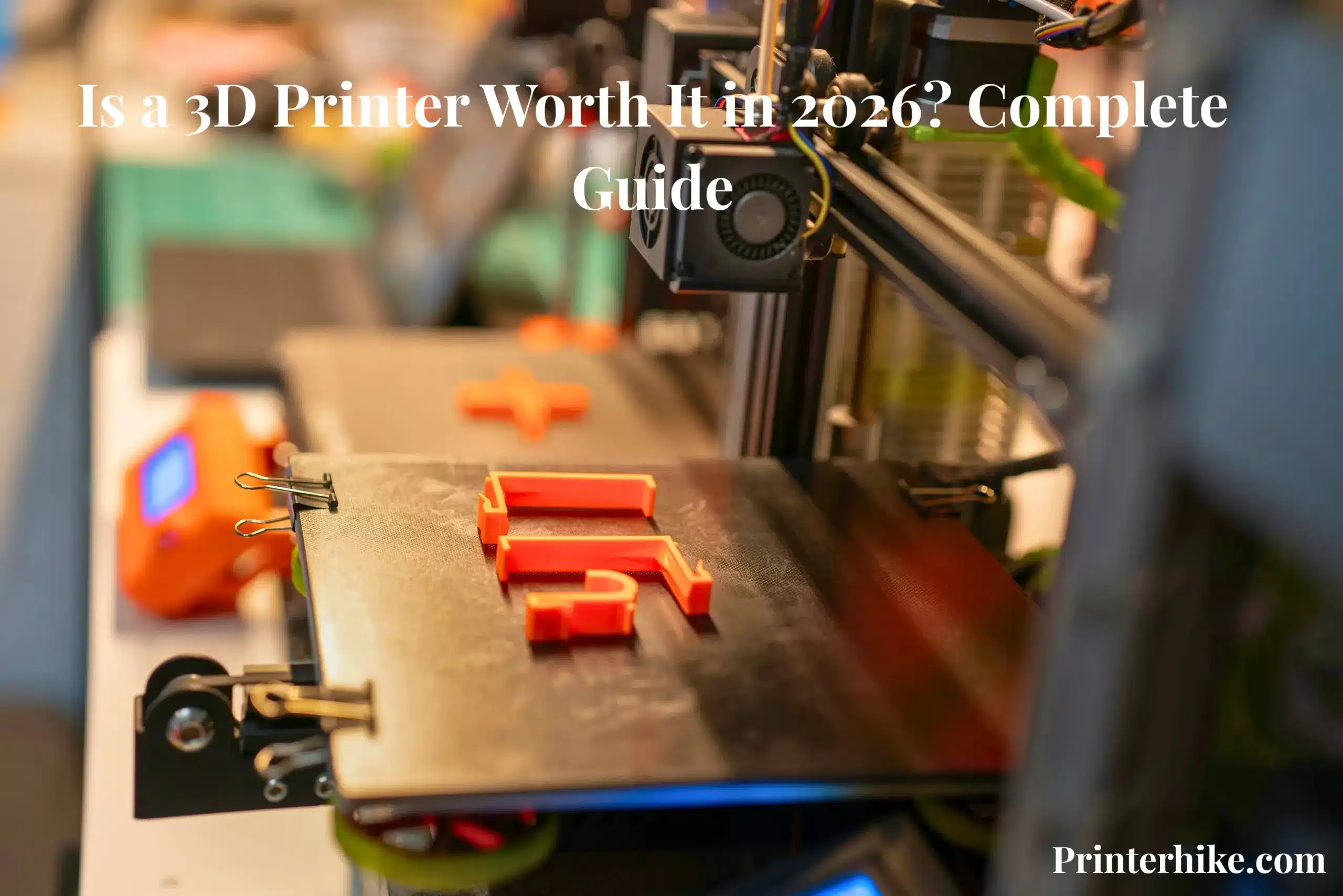
Many people buy a 3D printer expecting instant results, only to discover unexpected costs, failed prints, and a learning curve they did not anticipate. This often raises an important question: is a 3D printer worth it in the long run? The truth is that a 3D printer can save money, help with repairs, and unlock creative opportunities, but it is not the right choice for everyone. This article breaks down the real costs, potential savings, and practical uses to help you decide whether investing in a 3D printer makes sense for your needs.
Quick Answer: Is a 3D Printer Worth It?
Yes, a 3D printer is worth it for people who regularly create, repair, or customize items. It can help save money on replacement parts, home organization products, hobby projects, and prototypes. Research has shown that some users save significantly by buying similar products online rather than in stores.
However, the value depends on usage. A printer that is used every week can quickly justify its cost, while one that sits unused may not. There is also a learning curve, and occasional maintenance is part of the experience.
For DIY homeowners, creative makers, families, and small business owners, the investment often makes sense. For someone who only needs a few custom items each year, a printing service may be a better option.
In short, a 3d printer worth buying solves real problems, supports regular projects, and gets consistent use.
How Much Does It Really Cost to Own a 3D Printer?
The cost of owning a 3D printer goes beyond the price shown on the box. While the initial purchase is the biggest expense, materials, maintenance, electricity, and occasional failed projects also add to the total. The good news is that for someone who uses the machine regularly, these costs are often much lower than expected.
Initial Printer Cost
Entry-level models usually start around $200 to $400, while more advanced systems can cost $800 or more. The right choice often depends on the user’s goals. A beginner creating simple household items does not need the same setup as a designer producing detailed products or a business building a prototype. Spending more does not always mean better value. A reliable mid-range machine is often enough for everyday projects.
Filament and Printing Materials
Printing materials are one of the most common ongoing expenses. A standard spool typically costs between $20 and $50, depending on quality and type. A single spool can produce dozens of useful objects before needing replacement. A desk organizer, storage hook, or small gadget may use only a small portion of the material. This is one reason the technology has become a popular hobby for creative users.
Maintenance and Replacement Parts
Like any tool, regular care helps keep everything running smoothly. Nozzles, build surfaces, and other wear items may need occasional attention. Fortunately, these parts are usually affordable. Most owners spend very little on upkeep during the first year unless the equipment is heavily used.
Electricity and Failed Prints
Power consumption is often lower than people expect. A project running for several hours usually costs only a small amount in electricity. Failed jobs can increase expenses, especially while learning new software or settings. Failed prints are common during the first few weeks of ownership and usually decrease with experience. For users who create useful and functional items regularly, the overall investment often becomes easier to justify over time.
How Much Money Can a 3D Printer Save?
One of the biggest reasons people consider buying a 3D printer is the ability to create useful items whenever they are needed. The amount saved will depend on how often the equipment is used and what is being created. Research on home manufacturing has found that users can save around 82% compared to purchasing similar products from a retail store. That is a substantial difference, especially over several years. For example, a simple PLA cable holder often costs less than $0.50 in material. Similar cable organizers can sell for $5 to $10 online, depending on the design and brand.
Household Repairs and Replacement Parts
A broken dishwasher clip, cabinet bracket, or appliance knob can be surprisingly expensive to replace. In some cases, the original part is no longer available. Instead of replacing an entire product, a user can create a custom solution at home. A common household example is printing a replacement dishwasher clip or cabinet bracket instead of replacing an entire assembly. Frequent household repairs can recover a portion of the printer’s cost over time.
Custom Storage and Organization
Storage products are useful, but they can add up quickly. Drawer dividers, cable holders, shelf brackets, and desk organizers often cost far more in a retail store than the material needed to make them. A creative user can download or modify existing 3d models and produce items that fit a specific space perfectly. Small design changes often improve fit, function, or compatibility with a specific space.
Toys, Games, and Everyday Accessories
Families often spend money replacing lost game pieces, toy parts, and simple accessories. Creating a missing object at home is usually much cheaper than purchasing a new product. Research has also shown significant savings in the toy and game category, making this a practical option for households with children.
Small Business and Prototype Savings
For entrepreneurs, the financial benefits can be even greater. A product idea can be tested with a prototype before investing in large production runs. Small business owners often create multiple prototype versions before committing to expensive manufacturing processes. One small business owner might spend a few dollars creating sample versions instead of hundreds on outsourced manufacturing. Most users spend time adjusting designs and print settings before achieving the desired result. For users who print regularly, the long-term value often exceeds the ongoing operating costs.
Estimated Savings Examples
| Item | Typical Retail Cost | Estimated Home Production Cost |
|---|---|---|
| Cable Holder | $5–$10 | Under $1 |
| Drawer Organizer | $15–$30 | $2–$5 |
| Game Piece Replacement | $5–$20 | Less than $1 |
| Product Prototype | $50–$300+ | A few dollars |
The savings are not identical for every situation, and results can vary. However, a printer would rarely need to produce dozens of items before the initial purchase starts feeling worthwhile.
Real Cost Per Print Examples
The price of a single print is often much lower than new buyers expect. While the machine itself requires an upfront investment, everyday items usually cost only a small amount to produce. This is why some owners feel a 3D printer can pay for itself quickly when used for practical projects.
An FDM system can create useful household items, organizers, and accessories for a fraction of their retail cost. Instead of purchasing a new product, a user can often solve a small problem with a custom item made at home. That mix of savings and flexibility is a major reason the technology continues to grow in popularity. During a basic print test, a PLA phone stand required less than one dollar worth of filament while similar products were available online at much higher prices.
| Item | Estimated Cost Per Print |
|---|---|
| Phone Stand | $0.50–$1 |
| Cable Organizer | $0.20–$0.50 |
| Plant Pot | $1–$3 |
| Tool Holder | $2–$5 |
| Camera Mount | $1–$4 |
| Desk Organizer | $2–$6 |
The exact cost depends on size, material use, and settings, but most functional projects cost far less than similar store-bought products.
Is a 3D Printer Worth It for Kids?
Yes, a 3D printer can be worthwhile for children when it is used with guidance and realistic expectations. The answer depends on the child’s age, interests, and willingness to learn. For a young person who enjoys building, creating, and exploring how things work, the technology offers far more than entertainment.
Educational Benefits
A 3D printer can turn ideas into real objects. Instead of only reading about science or engineering concepts, children can see and hold their creations. A student working on a school project can print something useful rather than relying on cardboard or paper models. For example, students often print geometric shapes, solar system models, or science fair components that would be difficult to build by hand.
That hands-on experience often helps lessons stick.
Creativity and STEM Learning
One of the biggest advantages is how it encourages creativity. A child can design simple toys, organize items around the house, or create solutions to everyday problems. The process naturally introduces skills related to design, technology, and problem-solving. It can even spark interest in careers such as an engineer or product designer later in life.
Creating a physical object from a digital design helps strengthen problem-solving and design skills. A simple project that starts as a digital sketch can eventually serve a purpose in daily life. That feeling is hard to replicate with passive screen time.
Safety and Supervision Considerations
Adult supervision remains important. Some families make the mistake of buying one and expecting children to use it independently from day one. That approach can sometimes frustrate younger users, especially if they expect perfect results without practice. There is always the possibility of failed projects during the learning process.
With proper guidance, however, a 3D printer can become an engaging educational DIY tool that combines learning with creativity in a way few other hobbies can.
How Long Does It Take for a 3D Printer to Pay for Itself?
The time it takes for a 3D printer to pay for itself depends on how often it is used and what projects are being created. There is no single answer because every owner’s needs are different. Someone who uses the machine once every few months will see savings much more slowly than a person creating useful items every week.
Occasional Users
For those who print infrequently, recovering the initial cost may take several years. If the machine is only used for a few decorative projects or random experiments, the savings remain limited. In these situations, using a printing service can sometimes be a good idea, especially when only a few custom items are needed each year.
Weekly Users
Someone printing useful items every week tends to recover the investment sooner. Creating a cable holder, drawer organizer, storage hook, or other space-saving items can reduce spending on products that would otherwise be purchased. Starting with the basics and learning what projects are genuinely useful often leads to better results over time. A common piece of advice is to start small and focus on practical projects before tackling larger builds.
Frequent Makers and Small Businesses
The fastest return usually comes from users who create projects regularly. A small business testing product ideas, producing prototypes, or manufacturing low-volume custom items can recover costs surprisingly quickly. Unlike mass production, a desktop machine allows changes without expensive tooling or setup fees.
The table below shows a general comparison:
| User Type | Estimated Time to Recover Costs |
|---|---|
| Occasional User | 2–5+ Years |
| Weekly User | 6–24 Months |
| Frequent Maker or Business | A Few Months to 1 Year |
In the end, the question is not how fast the machine pays for itself. The better question is whether the owner will use it for projects they actually want to create. Regular use almost always leads to the strongest return on investment.
Buying a 3D Printer vs Using a 3D Printing Service
Not everyone needs to own a 3D printer. For someone who only wants a few custom items each year, a printing service is often the better choice. There is no setup, maintenance, or learning involved. These services can also produce intricate parts and multi-color projects that may require advanced hardware.
However, ownership becomes more attractive when projects are created regularly. A homeowner making storage solutions, a hobbyist building custom items, or a small business testing ideas can save money over time by producing items whenever needed.
| Factor | Buy a 3D Printer | Use a Printing Service |
|---|---|---|
| Upfront Cost | Higher | Lower |
| Long-Term Cost | Better for regular use | Better for occasional use |
| Project Control | Full control | Limited control |
| Turnaround Time | Immediate | Depends on provider |
| Print Quality | Depends on setup | Usually consistent |
A printing service works well as a standalone option for occasional needs. For ongoing projects, owning a machine usually offers greater convenience and long-term value.
Hidden Costs and Challenges Most Buyers Ignore
A 3D printer can save money and unlock new possibilities, but ownership is not always as simple as pressing a button and walking away. Some costs are easy to see, while others only become obvious after a few weeks of use. Understanding these challenges before purchasing helps set realistic expectations.
Learning Curve
New users typically spend time learning printer setup, slicing software, and calibration. A new user may need time to understand settings, prepare a digital file, and troubleshoot small issues. That can feel a little frustrating at first. Still, most owners become comfortable with the process after completing a handful of projects. Each completed project helps users better understand printer settings, materials, and workflow.
Print Failures and Material Waste
Not every project succeeds on the first attempt. Incorrect settings, poor adhesion, or a damaged component can lead to failed prints. Material waste is part of the learning process, although it usually decreases with experience. Even skilled users occasionally encounter problems when testing a new design or trying an upgrade.
Time Investment
Creating an item takes time. Some objects finish in less than an hour, while others may require several hours or even overnight production. A creator must be willing to invest time in setup, testing, and adjustments. Larger projects may require several hours of printing and occasional adjustments during production.
Space and Noise Requirements
Most desktop machines fit comfortably on a desk or workbench, but they still require a dedicated area. During operation, the printer’s motors and fans produce noise. The sound level is usually manageable, though it can become noticeable in a quiet room. For some households, placing the equipment in a separate workspace is the best solution.
These challenges do not mean ownership is a bad idea. They simply highlight the factors that buyers should consider before making a decision.
When a 3D Printer Is Not Worth It
A 3D printer can be a valuable tool, but it is not the right choice for everyone. Some buyers get excellent value from ownership, while others discover that the machine spends more time sitting idle than creating useful items. Understanding these situations before making a purchase can prevent disappointment later.
You Only Need a Few Prints
If someone only needs a handful of custom items each year, purchasing a machine may not make financial sense. A local printing service can often produce those items without the upfront cost, maintenance, or learning involved. In this situation, paying for individual projects is usually the more practical option.
You Want Instant Results
Patience is part of the process. Even a small object can take several hours to complete, and larger projects may run overnight. Those expecting immediate results may find the waiting frustrating. Unlike buying a finished product from a store, creating an item takes planning, preparation, and time.
You Have Limited Space
Most desktop units are compact, but they still require a dedicated area for operation and storage. A small apartment, crowded office, or shared living space can make ownership less convenient. Noise from fans and motors may also become noticeable in quiet environments.
You Prefer Plug-and-Play Products
Some people enjoy learning new technology, while others simply want a product that works without adjustments. A 3D printer occasionally requires troubleshooting, maintenance, and experimentation. Anyone who prefers a completely hands-off experience may not enjoy the ownership process.
For the right person, a 3D printer can be an excellent investment. However, if these situations sound familiar, using a professional printing service may be the better choice. The goal is not just to own the technology but to use it often enough to make the purchase worthwhile.
Who Should Buy a 3D Printer?
A 3D printer is not a one-size-fits-all product. The value depends on how a person plans to use it. For some households, it becomes a useful everyday tool. For others, it opens the door to creativity, learning, or business opportunities. The real value comes from solving problems that would otherwise require buying, repairing, or replacing something. The more often the machine solves real problems, the easier it becomes to justify the cost.
DIY Homeowners
Homeowners are often among the biggest beneficiaries. Small household items break more often than expected, and finding replacements is not always easy. A missing cabinet clip, wall bracket, drawer organizer, or appliance part can sometimes be recreated at home for a fraction of the retail price. Instead of replacing an entire product, a simple custom solution may do the job. Over time, those small savings can add up.
Parents and Families
Families can use a 3D printer for educational projects, school assignments, and creative activities. Children often enjoy seeing an idea become a real object. A science project, learning model, or custom game piece can make learning more engaging. Parents also appreciate having the ability to create useful items without constantly buying new accessories.
Makers and Hobbyists
Creative individuals who enjoy building, designing, or experimenting often get the most enjoyment from ownership. Whether creating home décor, gaming accessories, miniatures, or personalized gifts, the machine supports a wide range of custom projects, prototypes, and personal designs. Designing, testing, and refining projects helps users develop practical manufacturing skills.
Small Business Owners
For entrepreneurs, a 3D printer can be a practical business tool. Product ideas can be tested before investing in large production runs. Custom products, prototypes, and low-volume orders can be produced quickly and affordably. This flexibility helps reduce risk while allowing businesses to respond faster to customer needs.
Owners who regularly create functional items generally receive the greatest value from their investment. Regular use is what turns a good investment into a valuable one.
Conclusion
For the right person, a 3D printer is absolutely worth it. It can save money on household items, support creative projects, help with repairs, and even assist small businesses with product development. Research has shown that home users can save significantly compared to buying similar products from stores, especially when the machine is used regularly.
At the same time, ownership is not for everyone. There is a learning curve, occasional maintenance, and the reality that some projects will not work perfectly on the first try. Those who only need a few custom items each year may find that a printing service is the more practical option.
In the end, the decision comes down to usage. A printer that sits unused on a shelf is rarely a smart purchase. A machine that creates useful items, solves everyday problems, and supports ongoing projects can deliver excellent long-term value. For DIY homeowners, families, hobbyists, and entrepreneurs, the benefits often outweigh the costs, making a 3D printer a worthwhile investment in 2026 and beyond.
Frequently Asked Questions
What are the top-rated 3D printers for beginners?
Popular beginner-friendly options include the Bambu Lab A1 Mini, Creality Ender 3 V3 SE, and Anycubic Kobra series. These models are known for easy setup, reliable performance, and good print quality without requiring extensive technical knowledge.
What types of materials can a home 3D printer use effectively?
Most home 3D printers work well with PLA, PETG, and TPU. PLA is great for learning, PETG offers better durability, and TPU provides flexibility for items that need to bend or stretch.
Where can I find affordable 3D printer filament suppliers?
Affordable filament is available from online marketplaces, manufacturer websites, and local electronics stores. Comparing prices, reading reviews, and purchasing multi-spool bundles can often reduce the overall cost per kilogram.
How do 3D printers compare in price and quality?
Entry-level machines are affordable and suitable for everyday projects, while premium models offer faster speeds, better reliability, and more advanced features. Higher-priced printers generally require less tuning and deliver more consistent results over time.

Willis C. Mathes
About the Author
Willis C. Mathes is a technical writer focused on 3D printing workflows, printer setup, and troubleshooting. His content is based on practical research into FDM and resin printing systems, slicer optimization, filament handling, and common beginner printing problems.
He regularly covers topics related to printer performance, calibration, maintenance, and beginner-friendly 3D printing setups.