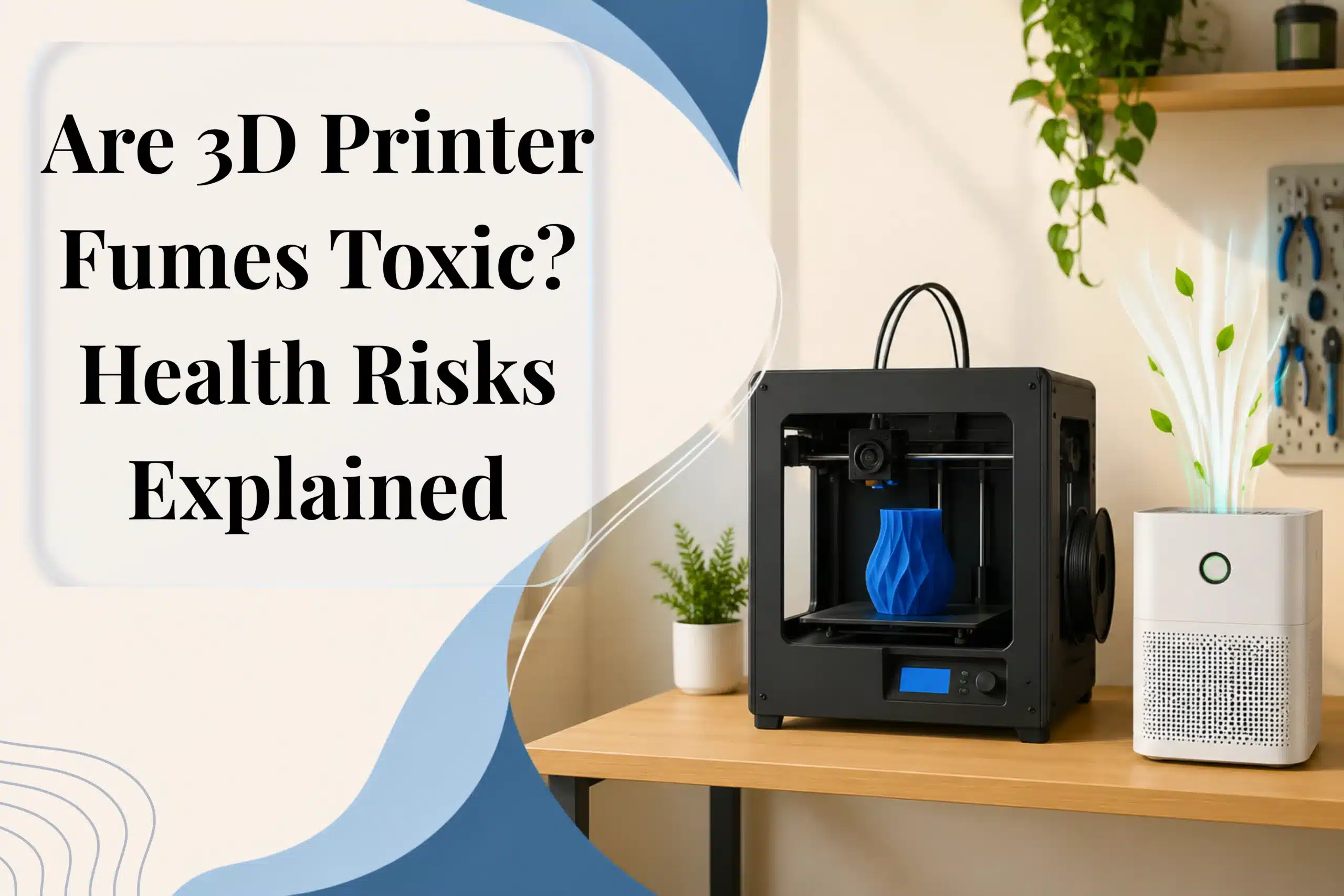
Are 3d printer fumes toxic? Many users place 3D printers in bedrooms, offices, or classrooms without realizing that some materials release ultrafine particles and gases into the air. Long print times in poorly ventilated spaces may increase exposure, especially for children or people with respiratory conditions. Understanding these risks is important for creating a safer printing setup. This article explores the science behind 3D printer emissions, compares common filaments, reviews health effects, and shares practical steps to reduce exposure while enjoying 3D printing safely.
Are 3D Printer Fumes Toxic?
Yes, 3D printer fumes can be toxic, but the risk depends on the material, print settings, and environment. During 3d printing, heated materials release tiny airborne particles and gases that may affect indoor air quality. Some materials produce low emissions, while others release chemicals linked to respiratory irritation.
Research shows that exposure risks increase in poorly ventilated spaces, especially during long print jobs. A printer running in a small room for several hours may create higher exposure than one used in an open workspace. The good news is that proper ventilation and safer materials can greatly reduce these risks.
What Research Says About 3D Printer Emissions
Studies have found that 3d printing releases ultrafine particles and VOCs into the air. These particles are extremely small and can travel deep into the lungs. A CDC/NIOSH study recorded particle concentrations reaching 60,000–74,000 particles per cubic centimeter during operation.
Researchers have also detected chemicals such as styrene and benzene in printer emissions. Some compounds may remain in the air even after printing ends, highlighting the importance of safe printing practices.
Why Toxicity Varies by Material and Exposure
Different materials create different levels of exposure. PLA generally produces fewer pollutants, while ABS releases stronger odors and higher emissions. Resin systems require extra care because vapors and liquid materials can irritate the skin and respiratory system.
Risk also depends on print duration, room size, and airflow. A short print in a ventilated area is very different from overnight printing in a closed room.
What Is Released During 3D Printing?
When a 3D printer heats material, it does more than create an object layer by layer. The process can also emit tiny particles and gases into the surrounding air. The type and amount of these substances depend on print temperature, material choice, and room airflow. Researchers have found that even printers with little odor can release airborne pollutants.
Studies show that some materials produce higher levels of emissions than others. This is why safety experts recommend good airflow and careful material selection, especially during long print jobs. Understanding what enters the air is the first step toward safer printing.
Ultrafine Particles (UFPs)
Ultrafine particles 3D printing systems release are incredibly small—often smaller than 100 nanometers. Because of their tiny size, they can travel deep into the respiratory system. Researchers remain concerned because these particles are too small for the body to remove easily.
A CDC/NIOSH study recorded particle levels reaching 60,000 to 74,000 particles per cubic centimeter during operation. Some tests even found particles as small as 20 nanometers. That is remarkably tiny—far smaller than the width of a human hair.
Different materials emit different amounts of particles. For example, PLA filament generally produces lower levels than some alternatives, though lower does not mean zero.
Volatile Organic Compounds (VOCs)
Besides particles, printers can release volatile organic compounds, often called VOCs. These gases form when heated materials break down at high temperatures. Common examples include styrene, benzene, and toluene.
Some studies found that VOC levels remain elevated even after a print finishes. This lingering exposure may increase health risks during repeated use in enclosed spaces. PETG and other materials can also release gases under certain conditions, though the level of toxicity varies by material and temperature.
Which 3D Printer Filaments Produce the Most Toxic Fumes?
Not all materials behave the same during 3D printing. The type of filament plays a major role in the amount of particles and gases released into the air. Some options are considered safer for indoor use, while others require extra precautions. Understanding these differences helps users choose materials that better protect human health and improve printing safety.
| Material | Relative Risk | Main Concern |
|---|---|---|
| PLA | Low | Ultrafine particles |
| ABS | High | Styrene emissions |
| PETG | Medium | Chemical gases |
| Nylon | Medium-High | Fine particles |
| Resin | Very High | VOCs and skin exposure |
PLA Fumes Safety
PLA is often marketed as a safer material because it is made from renewable resources such as cornstarch. In general, PLA fumes safety is better than that of many alternatives since it releases fewer airborne pollutants. Still, lower emissions do not mean zero exposure. Users often choose PLA for classroom projects because it produces fewer emissions, though ventilation is still recommended during extended printing sessions.
Research has shown that even PLA printing can generate tiny particles that remain suspended in the air. A printer running for several hours in a small room may still affect indoor air quality. For instance, hobbyists who print PLA miniatures or decorative models for several hours often keep windows open or use small air purifiers to improve airflow in the room. Low odor does not always mean low emissions, especially during long print sessions
ABS Fumes Health Risks
ABS requires higher temperatures, which increase the amount of material released into the air. One major concern is styrene, a chemical associated with headaches and respiratory irritation after prolonged exposure.
Studies have repeatedly shown that ABS can produce more particulate matter than other common materials. This is why users often ventilate workspaces when printing with ABS. Many makers prefer running ABS printers in garages or dedicated workshops because enclosed rooms can trap odors and airborne emissions during long prints. Many makers place ABS printers in garages or dedicated workshops because enclosed indoor spaces can trap fumes during long prints. An air purifier equipped with a HEPA filter can help reduce airborne particles, although outdoor exhaust remains the preferred solution.
PETG and Nylon Emissions
PETG sits between PLA and ABS in terms of emissions. Some studies suggest it releases fewer pollutants than ABS, though results vary by printer settings. Nylon can also release fine particles and gases during printing, especially at higher temperatures.
The amount released often depends on temperature, print speed, and airflow around the machine.
Resin Printer Toxicity
Among consumer printing methods, resin systems generally present the greatest safety concerns. Liquid resin and its vapors can irritate the skin and respiratory system if users inhale them repeatedly.
Organizations focused on occupational safety and health recommend using gloves, eye protection, and dedicated work areas for resin printing. A well-ventilated room with proper filtration greatly reduces exposure risks and supports safer use over time. Professional users, such as dental labs and miniature artists, often use gloves, enclosed printers, and filtration systems when working with resin materials.
Are FDM and Resin 3D Printers Equally Dangerous?
No, FDM and resin printers do not carry the same level of risk. Both technologies release substances into the air during operation, but the amount and type vary greatly. The printing process, material choice, and room conditions all influence exposure levels. This is why discussions about 3d printing toxic emissions often focus on the specific technology being used rather than the printer itself.
| Printer Type | Main Emissions | Risk Level |
|---|---|---|
| FDM 3D | Particles and VOCs | Low to Medium |
| Resin Printer | Chemical vapors and VOCs | Medium to High |
FDM Printer Emissions
FDM printer emissions depend heavily on the material being used. Printing with PLA generally releases fewer pollutants than ABS, making it a preferred choice for indoor use. Still, printing PLA does not eliminate exposure. During long print jobs, some harmful fumes and particles can build up in poorly ventilated spaces.
Why Resin Printing Carries Higher Risks
Resin 3d printing offers excellent detail, but it also requires extra care. Liquid resin can release harmful fumes during printing and post-processing. Unlike filament-based systems, users may come into direct contact with uncured materials.
Using proper safety measures, such as gloves and good airflow, helps reduce exposure. For users wondering whether 3d printing fumes are dangerous enough to cause concern, resin printers generally require stricter precautions than FDM machines.
Short-Term and Long-Term Health Effects of 3D Printer Fumes
The effects of 3D printer fumes depend on the material, print time, and room airflow. Different 3d printing materials release different substances, so exposure levels can vary. A short print in an open area may create fewer concerns than overnight printing in a closed room. As research on 3d printer emissions grows, experts continue to emphasize good printing habits to improve 3d printing safety.
Immediate Symptoms of Exposure
Short-term exposure to these fumes may lead to headaches, sore throats, watery eyes, or mild dizziness. In some cases, fumes can cause temporary discomfort, especially during long print sessions. Users of FDM 3D printers often notice stronger odors when working with ABS and nylon, particularly in poorly ventilated spaces.
Long-Term Respiratory Risks
Scientists are still studying long-term effects, but current research suggests that repeated exposure to particles and VOCs may affect lung health over time. Some chemicals released during printing are considered highly toxic at elevated concentrations. Choosing safer materials used in 3d printing and improving airflow can help reduce risks and create a healthier workspace.
Are 3D Printers Safe to Use Indoors, Bedrooms, or Offices?
The popularity of 3d printing has brought printers into homes, bedrooms, classrooms, and offices. While this technology offers exciting possibilities, indoor use requires careful planning. Safety depends on the material being used, room airflow, and the overall printing environment. A printer placed in a spacious, well-ventilated area generally presents lower risks than one operating overnight in a small bedroom.
Studies show that 3d printing emissions can build up indoors when fresh air circulation is limited. This is especially true when working with materials that release higher levels of airborne pollutants. Fortunately, a few simple changes can greatly improve 3D printing indoor air quality.
Indoor Printing Risks
During printing, heated materials release gases and tiny particles into the air. The process of melting plastic can create fumes released during printing, though the amount varies by material. PLA and PETG are often considered safer choices for indoor use because they typically produce lower emissions than some alternatives.
However, even low-odor materials can release toxic VOCs and particles during the printing process. This sometimes catches users off guard because little smell does not always mean little risk. To minimize exposure to harmful fumes, experts recommend placing printers away from sleeping areas and ensuring proper airflow.
Who Is Most Sensitive to 3D Printer Fumes?
Some groups may be more sensitive to airborne pollutants than others. Children, older adults, and individuals with asthma or allergies may react more strongly to certain emissions. Exposure levels also increase when printing with plastic in enclosed spaces for long periods.
People who frequently work with toxic materials should take extra precautions. Creating a safer workspace helps reduce unnecessary exposure and supports healthier long-term use.
Is It Safe to Run a 3D Printer in a Bedroom?
Running a 3D printer in a bedroom is generally not recommended, especially during overnight prints. Bedrooms often have limited airflow, allowing fumes emitted during printing to build up over time. For example, hobbyists who run long overnight ABS prints in small bedrooms often report stronger odors by morning, showing how pollutants can accumulate when airflow is limited. This increased exposure could pose health risks, particularly for children, people with asthma, or sensitive individuals.
The level of risk depends on the material being used. Acrylonitrile butadiene styrene (ABS) releases more airborne chemicals than some alternatives. Because of this, many 3D printer users prefer to place printers in workshops or spare rooms rather than sleeping areas.
A printer enclosure with proper filtration can help reduce airborne particles, but it should not replace good ventilation. Sitting or sleeping near the printer for long periods may increase exposure. Proper ventilation and filtration help create a safer printing environment
Does 3D Printer Smell Mean It Is Toxic?
Not always. A strong odor can indicate that chemicals are being released into the air, but smell alone is not a reliable way to judge safety. Some materials produce a noticeable scent during operation, while others release very little odor.
Surprisingly, certain airborne pollutants have little or no smell at all. This means a printer may seem harmless even when tiny particles are still present in the room. Researchers have found that some microscopic pollutants are small enough to remain suspended in the air long after a print finishes.
For example, ABS often has a stronger odor than PLA, which leads some users to believe that low-smell materials are completely safe. However, lower odor does not always mean lower exposure. A printer operating quietly in a closed room may still affect indoor air quality, even if there is no obvious scent.
This is why experts recommend focusing on airflow, filtration, and room placement rather than relying on smell as a warning sign. Many airborne pollutants cannot be seen or smelled, making ventilation and filtration important.
HEPA Filter vs Carbon Filter for 3D Printers
Choosing the right filter is one of the easiest ways to improve air quality around a 3D printer. However, HEPA and carbon filters do different jobs, and this often surprises users. A HEPA filter 3D printer setup is excellent for trapping tiny airborne particles, while activated carbon focuses on removing odors and chemical compounds.
Research has shown that HEPA filters can capture more than 99.95% of fine particles under controlled conditions. Carbon filters, on the other hand, absorb gases and help reduce unpleasant smells. Still, relying on only one filter may leave gaps in protection.
| Filter Type | Main Function | Limitation |
|---|---|---|
| HEPA Filter | Captures fine particles | Does not remove gases |
| Carbon Filter | Reduces odors and chemicals | Cannot trap tiny particles |
| Combined System | Handles both pollutants | Higher cost |
For this reason, experts often recommend using both filters together. A combined system offers broader protection and creates a cleaner workspace during long print sessions. Using HEPA and carbon filters together helps improve air quality during long print sessions.
Open-Frame vs Enclosed 3D Printers: Which Is Safer?
The design of a 3D printer plays an important role in safety. Open-frame printers leave the printing area exposed, while enclosed models surround it with panels that help contain particles and odors. This difference becomes more noticeable during long print jobs or indoor use.
Research suggests that covering a printer can significantly reduce airborne particles. Some enclosed models even include built-in filtration systems, improving 3D printer enclosure safety and creating a cleaner workspace.
| Feature | Open-Frame | Enclosed |
|---|---|---|
| Air Containment | Low | High |
| Odor Control | Limited | Better |
| Indoor Use | Moderate | Better |
| Safety Level | Good | Better |
Open-frame printers are often easier to maintain and usually cost less. However, enclosed printers provide an extra layer of protection, especially in bedrooms or offices. They do not replace proper airflow, but they can help reduce exposure.
How to Reduce Exposure to 3D Printer Fumes
Reducing exposure to 3D printer fumes does not always require expensive equipment. In many cases, a few simple changes can significantly improve safety. Research from NIOSH found that certain engineering controls reduced airborne particles by more than 90%, showing that proper setup truly matters. Simple safety measures can significantly reduce exposure to printer emissions.
Improve Ventilation and Airflow
Good airflow is one of the most effective ways to reduce exposure. Proper 3D printer ventilation helps move pollutants away from the printing area and lowers indoor concentrations. Placing a printer near an open window or using exhaust systems that vent outdoors can improve air quality. Experts generally recommend avoiding small, sealed rooms for long print jobs. Many makers place printers near windows with exhaust fans to direct fumes outside, especially during prints lasting several hours.
Use Filtration and Enclosures
Filtration adds another layer of protection. HEPA filters capture fine particles, while carbon filters help remove gases and odors. Using both together often provides better results than relying on a single filter. Enclosed printers can also help contain pollutants before they spread throughout the room.
Safe Resin Handling Practices
Resin printing requires extra care because uncured liquid can irritate the skin. Wearing gloves, avoiding direct contact, and cleaning spills quickly are important habits. A dedicated workspace with good airflow helps create a safer printing environment and reduces unnecessary exposure over time.
What NIOSH, OSHA, and EPA Say About 3D Printer Safety
Government agencies have studied 3D printer emissions and recommend steps to reduce exposure. Their findings show that safer printing is possible with proper ventilation, filtration, and material handling.
NIOSH recommends using local exhaust systems and enclosed workspaces when possible. In one study, researchers reduced airborne particle levels by more than 90% using low-cost ventilation controls. This shows that small changes can have a big impact.
OSHA focuses on workplace safety and encourages proper labeling and handling of printing materials, especially in schools and businesses. Meanwhile, EPA research confirms that different materials release different levels of emissions, making material choice an important factor.
Several university safety programs also recommend good airflow and multiple air exchanges per hour in printing rooms. Following these guidelines helps maintain a cleaner and safer printing environment.
Common Myths About 3D Printer Fumes
Misunderstandings about 3D printer fumes are common. Some beliefs sound reasonable at first, but research shows they are not always accurate. Relying on these myths can create a false sense of safety. Understanding the facts helps users make smarter decisions and build safer printing setups.
Myth: PLA Is Completely Safe
PLA is often viewed as one of the safer materials because it generally releases fewer pollutants than alternatives like ABS. However, safer does not mean risk-free. Studies have found that even low-emission materials can release microscopic particles during operation. A printer with little odor may still affect indoor air quality during long print jobs.
Myth: No Smell Means No Risk
This is one of the biggest misconceptions. Some airborne pollutants have little or no odor, making them difficult to notice without proper monitoring. In other words, clean-smelling air is not always clean air. Smell alone is not a reliable indicator of air quality or exposure levels
Myth: Opening a Window Is Enough
Opening a window can improve airflow, but it may not remove all airborne pollutants. Factors such as room size, weather conditions, and air movement affect how well ventilation works. For better protection, experts often recommend combining fresh air with filtration and good printer placement.
Conclusion
So, are 3D printer fumes toxic? The answer is yes—but the level of risk depends on the material, printing conditions, and safety measures in place. Some materials release fewer pollutants, while others require extra caution, especially in enclosed spaces.
Research from organizations such as NIOSH, OSHA, and the EPA shows that proper airflow, filtration, and material selection can greatly reduce exposure. Small changes, like moving a printer to a well-ventilated area or using filtration, can make a noticeable difference over time.
3D printing remains an exciting technology with countless applications. Still, safe printing habits matter just as much as print quality. Good ventilation, filtration, and material selection support safer long-term printing.
Frequently Asked Questions
Where can I buy air purifiers designed for 3D printing environments?
Air purifiers with HEPA and activated carbon filters are widely available from online retailers and electronics stores. Models designed for workshops or small offices are often suitable for 3D printing setups.
How can I safely ventilate my 3D printer in a home environment?
Place the printer in a well-ventilated room and use an exhaust system or open windows to improve airflow. Positioning the printer away from bedrooms and living areas further reduces indoor exposure.
What are the health risks associated with 3D printer emissions?
Exposure to printer emissions may cause headaches, eye irritation, coughing, or throat discomfort. Long-term exposure to poorly ventilated spaces may affect respiratory health.
Which 3D printer models have built-in air filtration systems?
Several modern printers include built-in filtration features, particularly enclosed models designed for indoor use. These systems often combine particle filtration with odor reduction for improved air quality.

Willis C. Mathes
About the Author
Willis C. Mathes is a technical writer focused on 3D printing workflows, printer setup, and troubleshooting. His content is based on practical research into FDM and resin printing systems, slicer optimization, filament handling, and common beginner printing problems.
He regularly covers topics related to printer performance, calibration, maintenance, and beginner-friendly 3D printing setups.